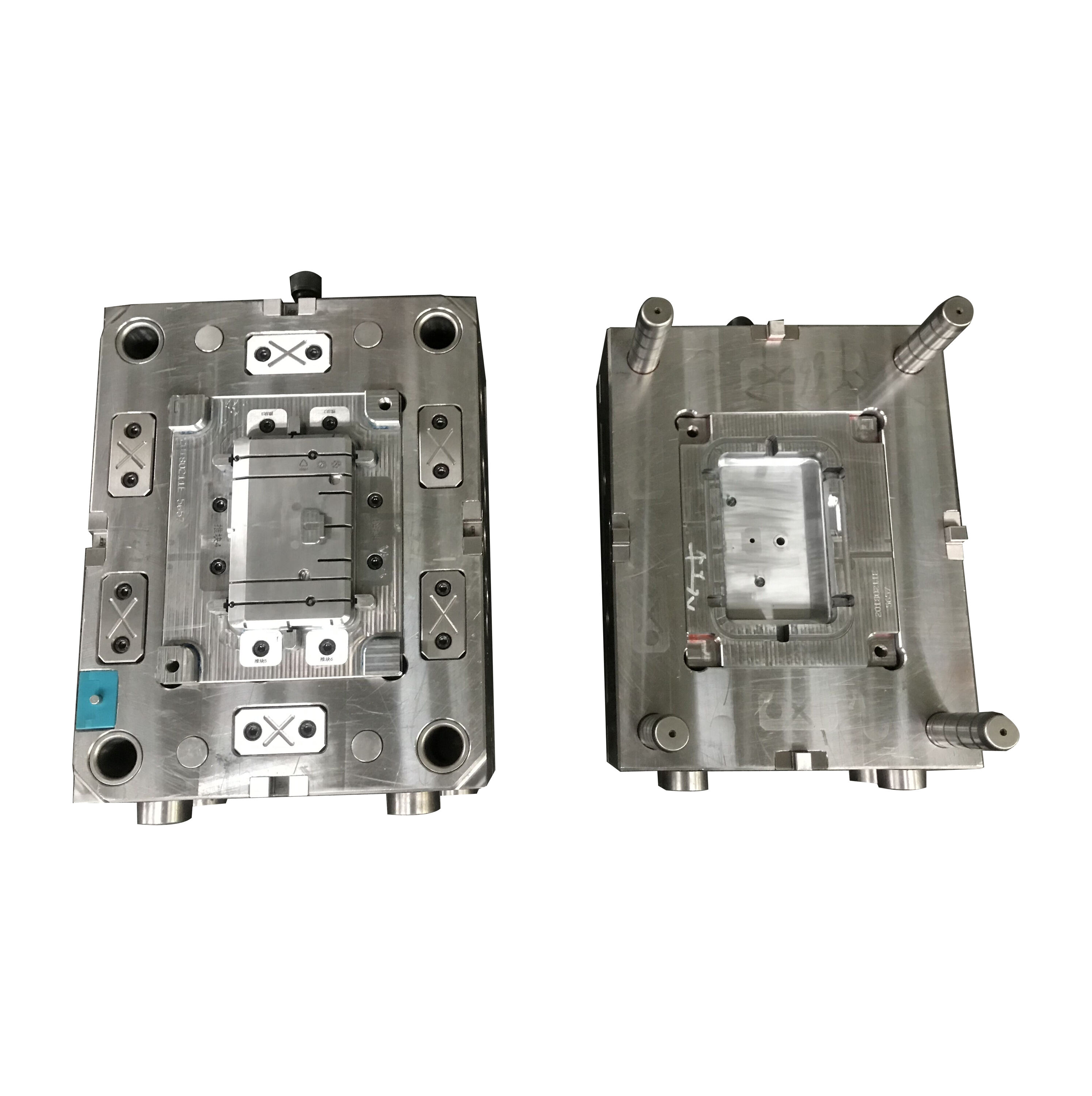
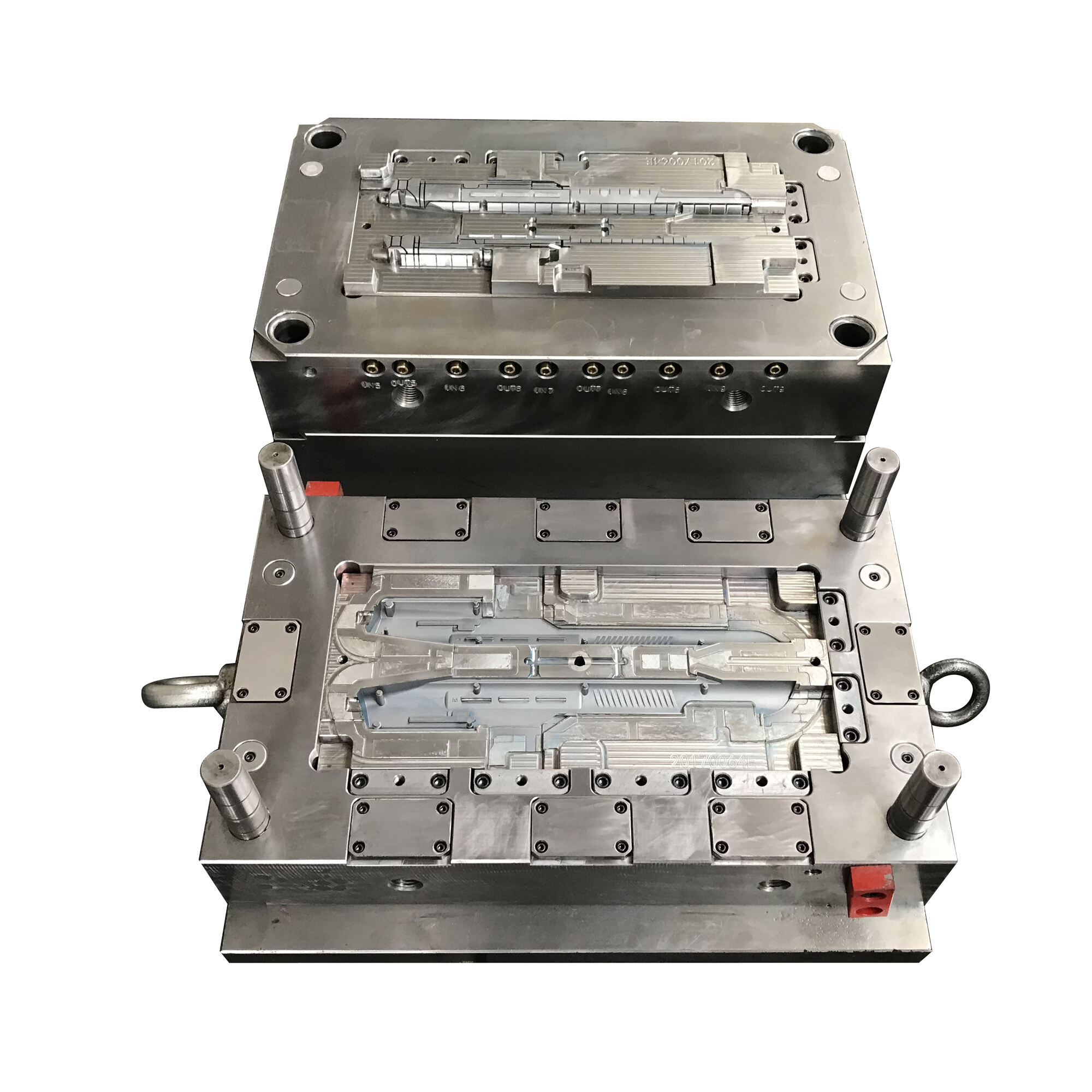
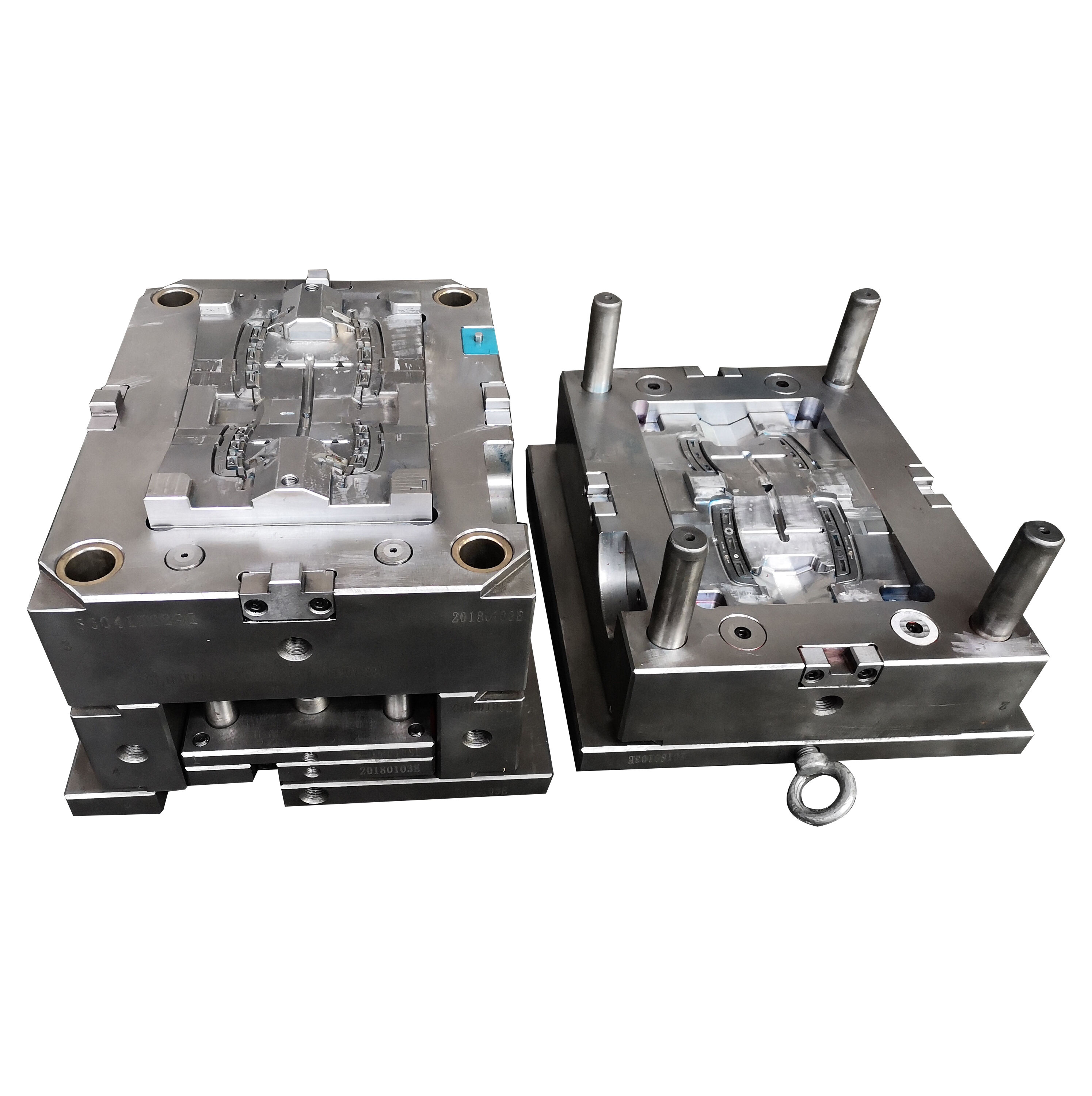
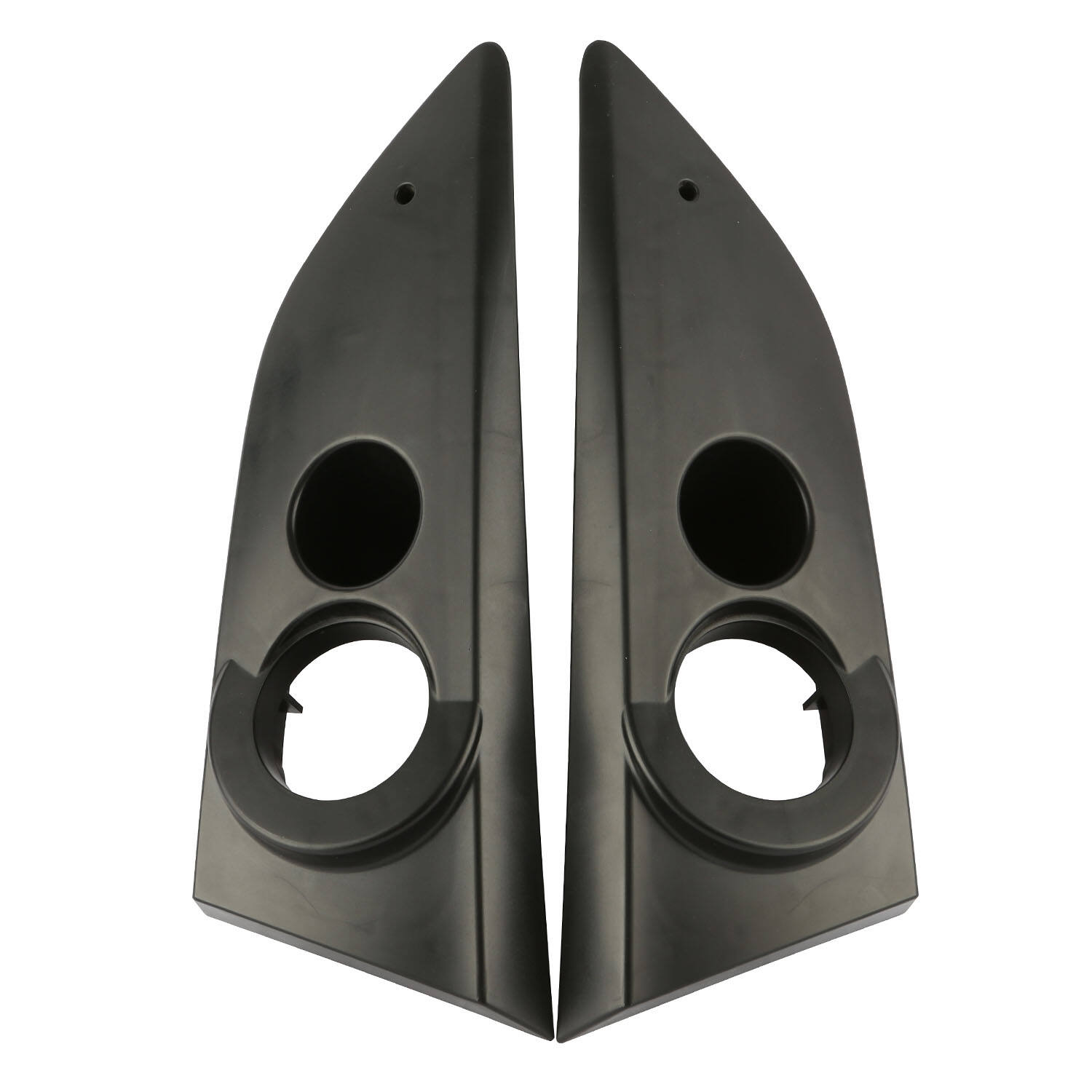
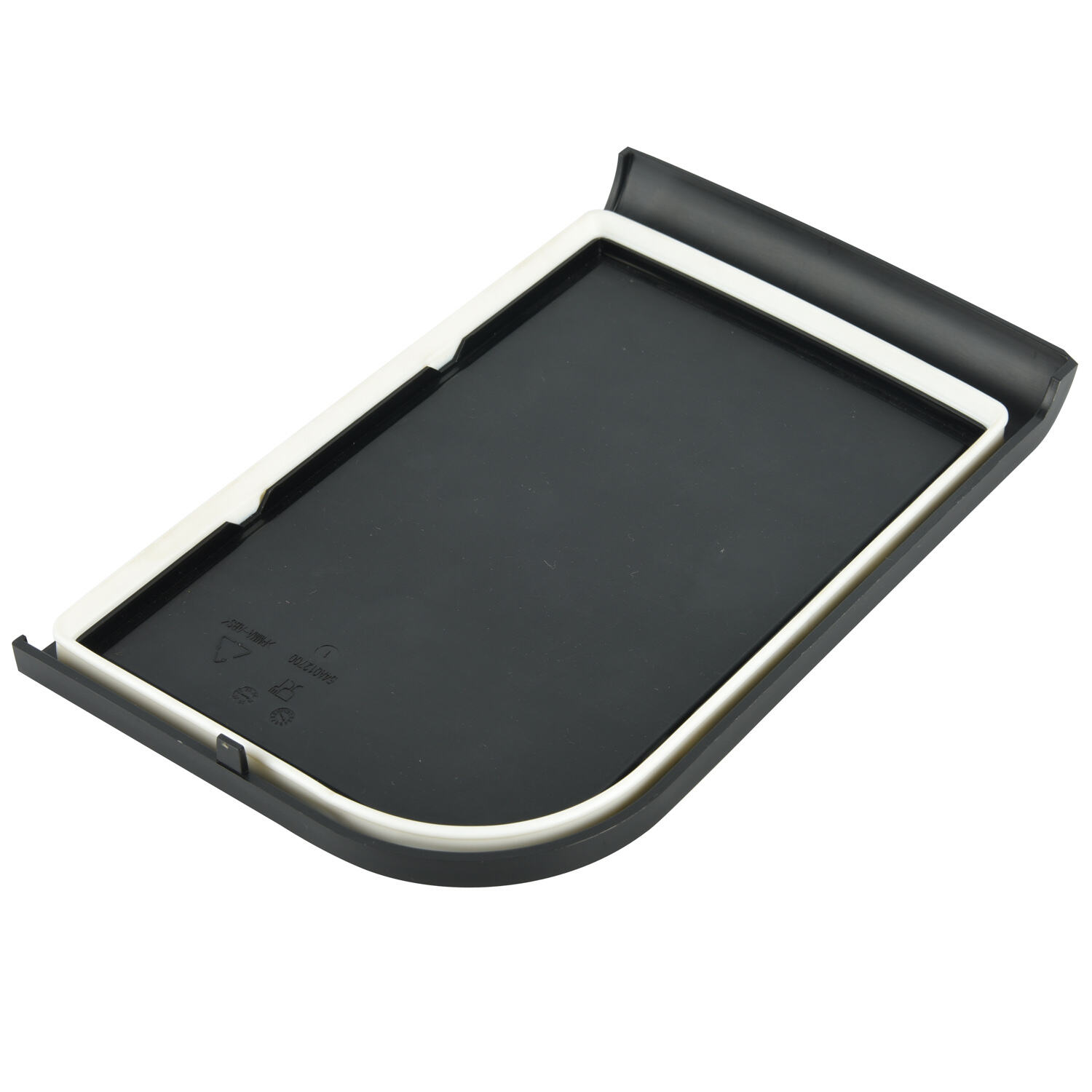
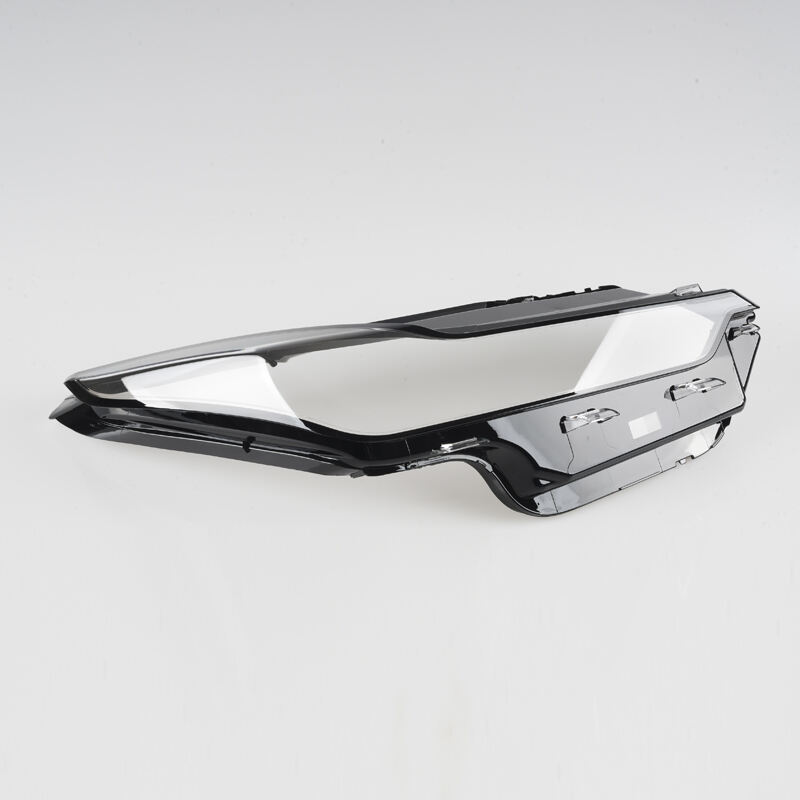
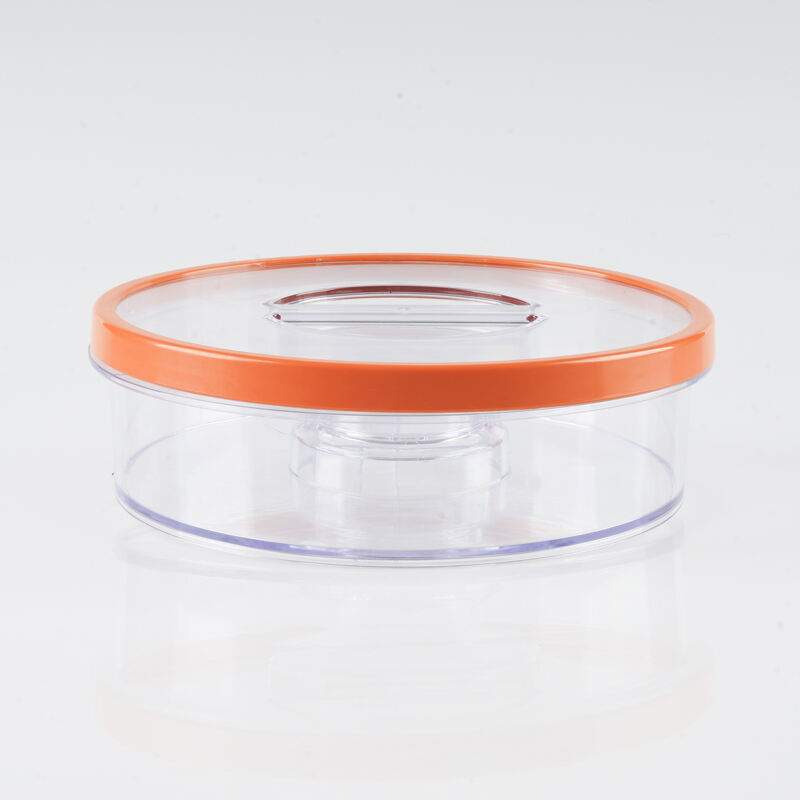
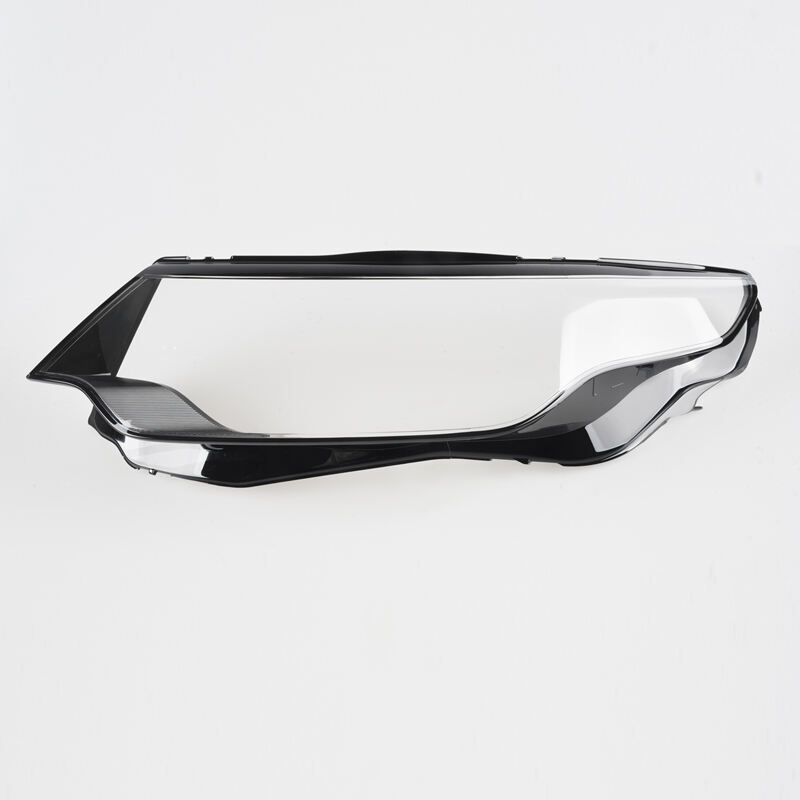
In the beginning, designers use specific software called computer-aided design (CAD) to draw a product design. This download assists them in sketching and setting out how the piece will appear. Once the product design is done, the next thing to do is to convert it into the design of the mold. The mold design indicates the shape and dimensions of the cavity through which the hot, molten plastic will run. This is super important, as the mold has to be the exact right size for the part to be made correctly.
The mold maker literally makes the mold once the design is finalized. Tools: the mold maker uses some specific machines that can cut, drill, and sculpt the mold to the exact design This is a very precise job, and it takes a lot of skill. Once the mold is formed, the mold maker then heats it. This heating of the mold makes it strong and durable enough so that it can be used multiple times without breaking. Finally, the mold is inspected and tested to ensure that everything is working correctly before it is ready for use.
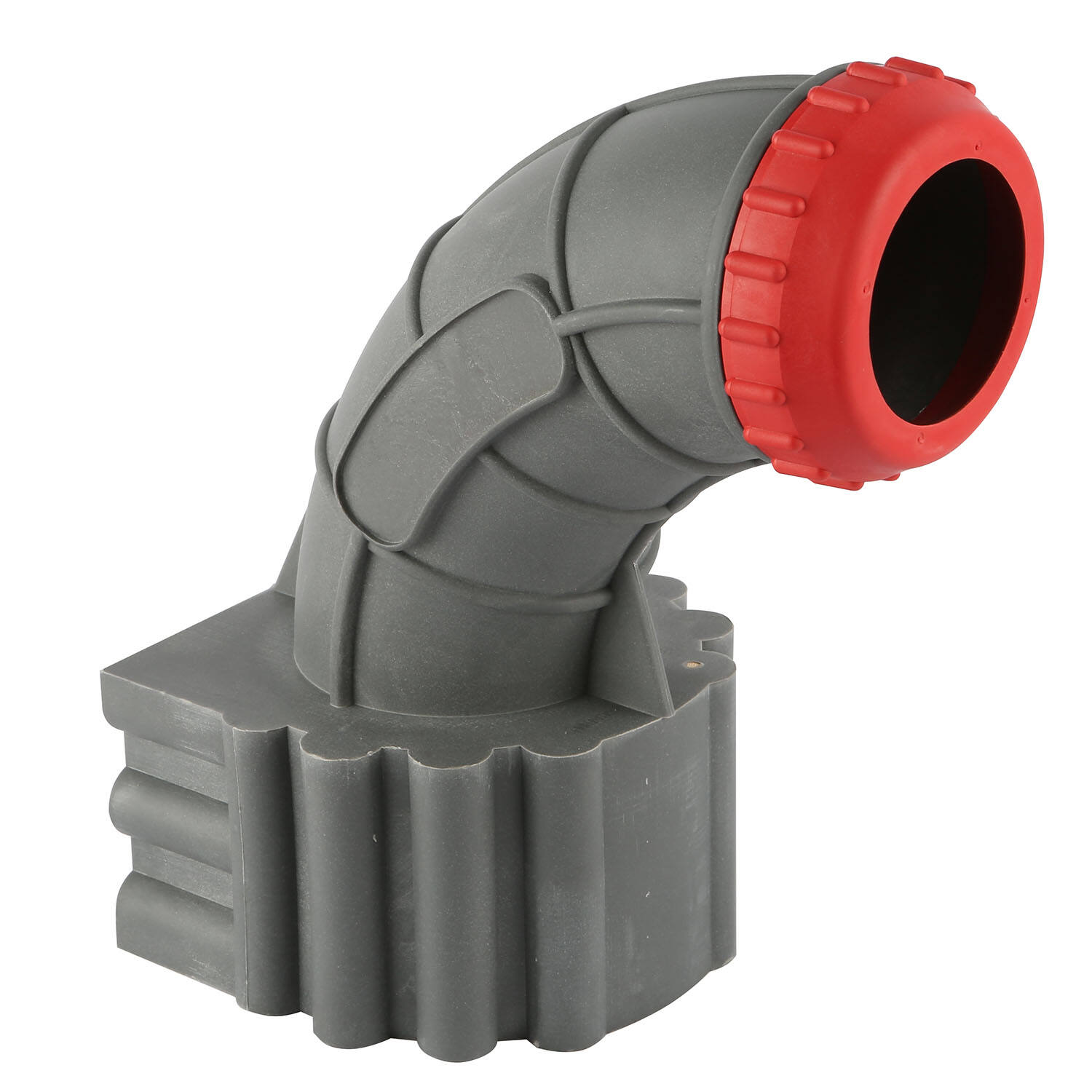
Injection molding die also allows for a great deal of design flexibility. There are many different ways to customize the mold to shape parts of any size and shape. This allows it to create complex components with intricate geometrics which is very beneficial for a variety of applications. Similarly, the mold is produced using durable, quality materials and can yield parts that are consistent in quality and accuracy every time. For businesses that rely on these components for their products, this reliability is crucial.
Besides deciding on the correct material, the mold design must consider other key aspects. There are several things to consider, such as the size of the machine that will inject the plastic, the space the mold will occupy, and the injection pressure required to form the part. Additional that will impact the design features of the mold to produce the part accurately include undercuts or complex shapes. Finally, in the mold design, shrinkage after the material is injected and cools down shall be also considered.
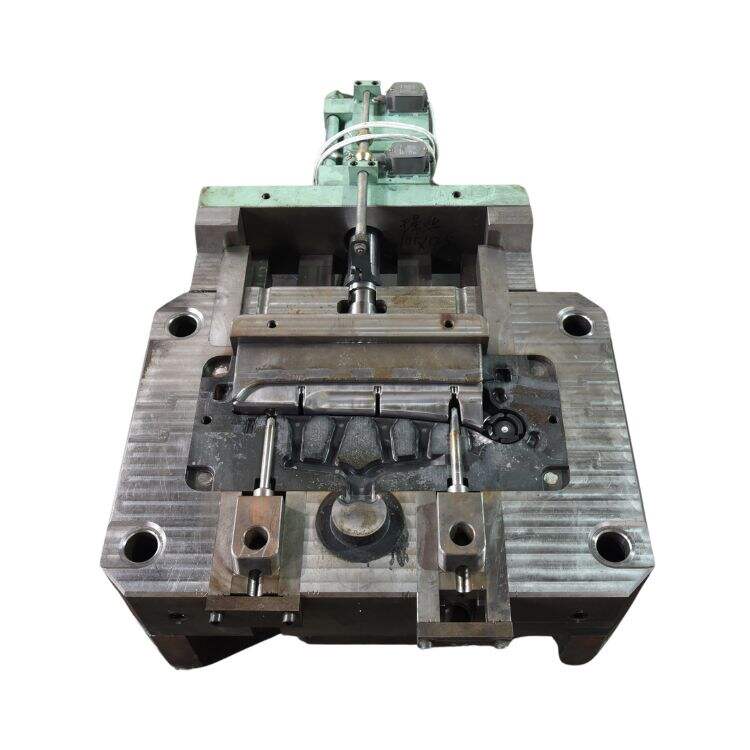
Injection molding die naturally require maintenance and repair strategies, ensuring that the die stays in good condition over time. Part of this cleaning involves cleaning the mold regularly to minimize any build up of dirt or residue that may affect the quality of the end product being produced. You also need to lubricate moving parts to ensure everything runs smoothly. Once in a while, you will want to check some spots for wear and torn areas that need you to refresh.
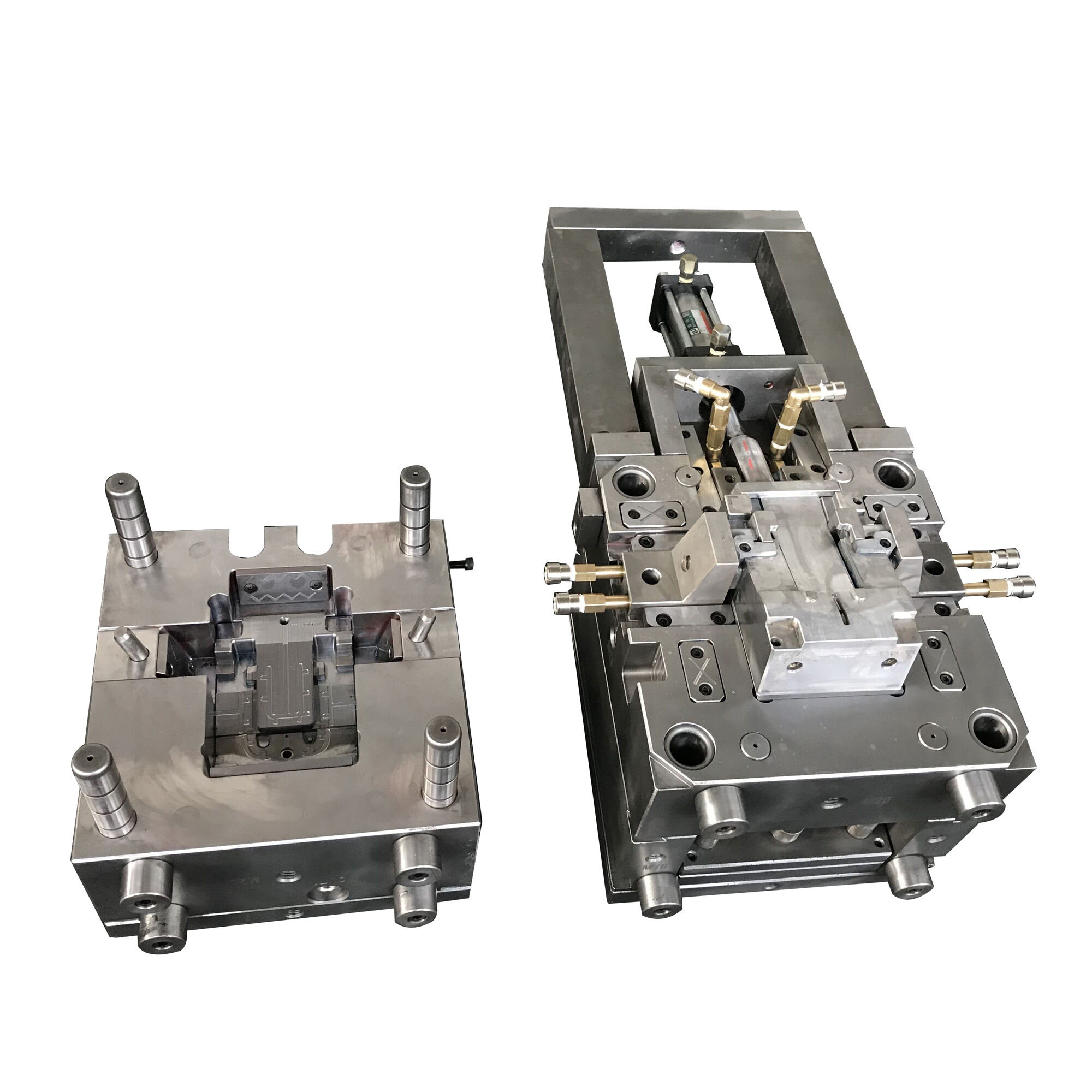
In case the mold gets damaged, there are several repair methods that can repair it. As an illustration, welding or sanding could be required to return the mold to its proper state. It is so important to catch and fix problems early on in order to avoid bigger problems from happening that could result in expensive repairs or even needing a new mold. The proper maintenance of the mold can prolong its service life to avoid problems during production.
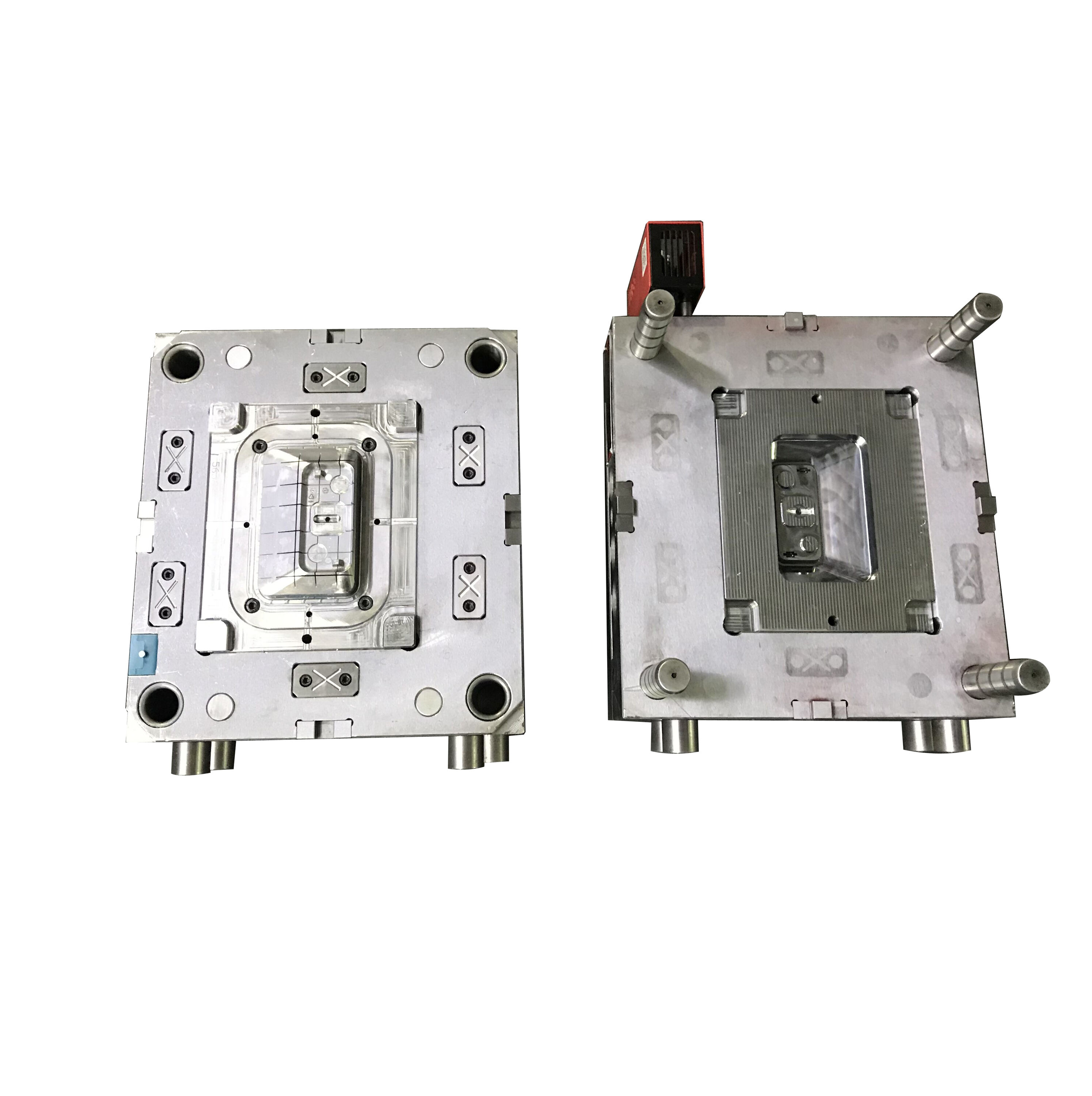
Sensors in the molds are another major innovation. These sensors can provide useful data on various parameters like injection pressure, temperature, and the cycle time of each run. This is extremely valuable information, as it can be utilized by manufacturers to enable the molding process and enhance the quality of the components manufactured. When companies analyze this data, they can adapt in a way to do everything possible.
Our comprehensive logistics solutions provide end-to-end services, from order processing to final delivery. We leverage advanced tracking systems and a global network of carriers to ensure timely and secure delivery. Since its establishment, Moldie. has provided professional solutions for more than 50 clients and 20 countries around the world. Moldie has cooperated with DHL, Fedex and UPS for fast sample delivery. Moldie can ship goods by sea, air and train in good packing way suits for global transportation.
Our molds are known for their exceptional quality and precision. Testing equipment is an indispensable means of guaranteeing the mold manufacturing process. A high-quality quality management team with precise testing equipment is the guarantee for creating high-quality molds. The quality inspection department is equipped with two high-precision three-coordinate and 3D scanners. Moldie promises to issue a full-size report within three days after the product trial, and a 3D scan report within two days. Moldie has been a supplier with ISO certificate.
The engineers at Moldie have extensive design experience and comprehensive development knowledge. Moldie will scan any provided samples and generate a product blueprint. Once the customer reviews and approves the blueprint, we can begin mold assembly and drawing design based on the customer’s existing project.Moldie Engineering Center consists of more than 30 engineering and technical personnel. They can deal with engineering, design simulation, machining, inspection to support and guarantee the quality and function the tooling we constructed.
Moldie has provided injection & plastic parts solutions since 2008. 3000+ square meter facility enhances us to serve clients worldwide. From the automotive sector, where we serve prestigious brands like Mercedes-Benz, Volkswagen, Audi, Maserati, Chrysler, and GM, to leaders in other fields such as Schneider, Phillip, and IEK. With a reputation for excellence in OEM/ODM services, Moldie is not just a manufacturer; we are innovation partners, providing comprehensive services including part design, prototype creation, mold design, and large-scale mold production.


 EN
EN
 AR
AR
 BG
BG
 HR
HR
 CS
CS
 DA
DA
 NL
NL
 FI
FI
 FR
FR
 DE
DE
 EL
EL
 HI
HI
 IT
IT
 JA
JA
 KO
KO
 NO
NO
 PL
PL
 PT
PT
 RO
RO
 RU
RU
 ES
ES
 SV
SV
 LV
LV
 SR
SR
 SK
SK
 SL
SL
 UK
UK
 HU
HU
 TR
TR
 FA
FA
 MS
MS
 GA
GA
 CY
CY
 IS
IS
 HY
HY
 AZ
AZ
 KA
KA
 BS
BS
 LA
LA
 KY
KY