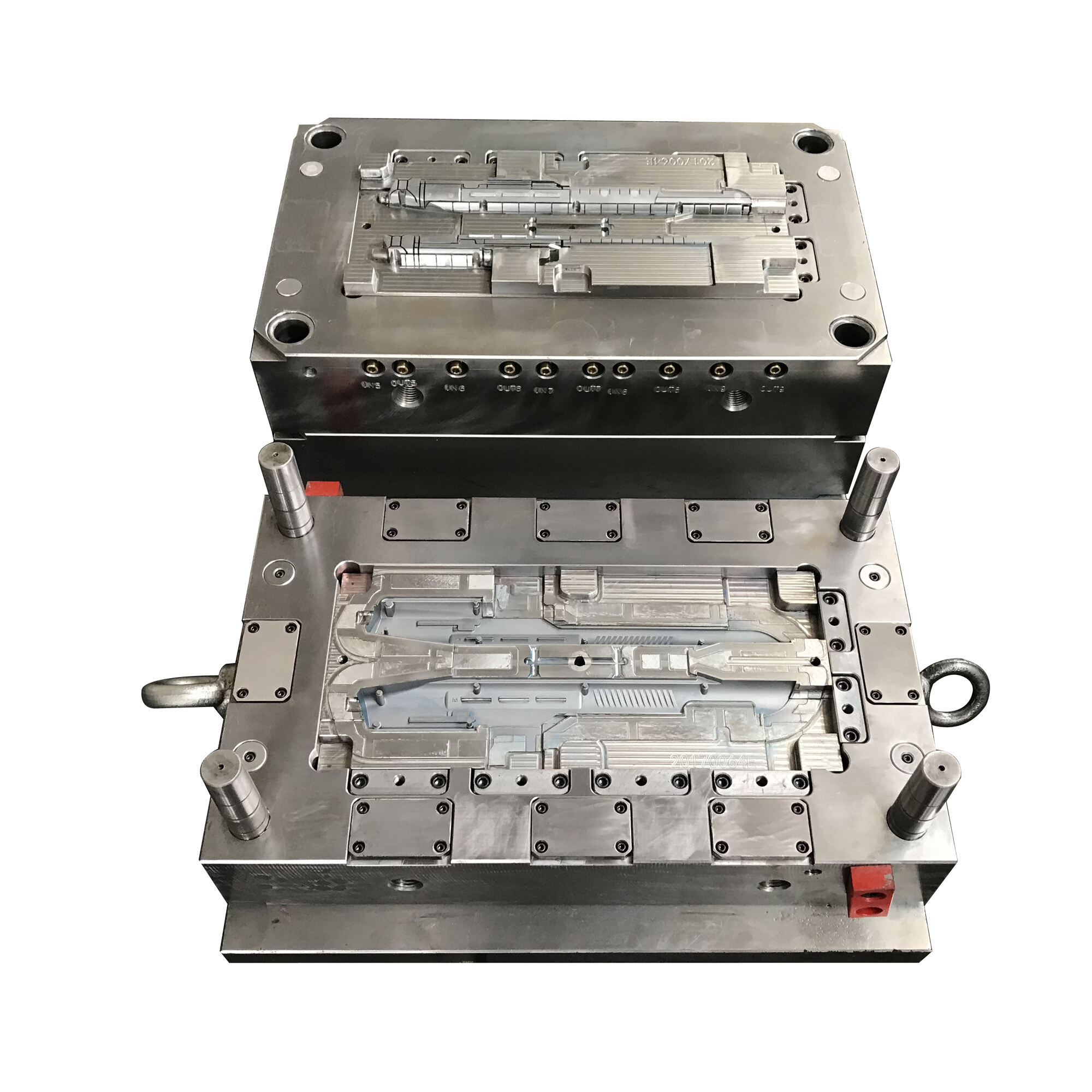
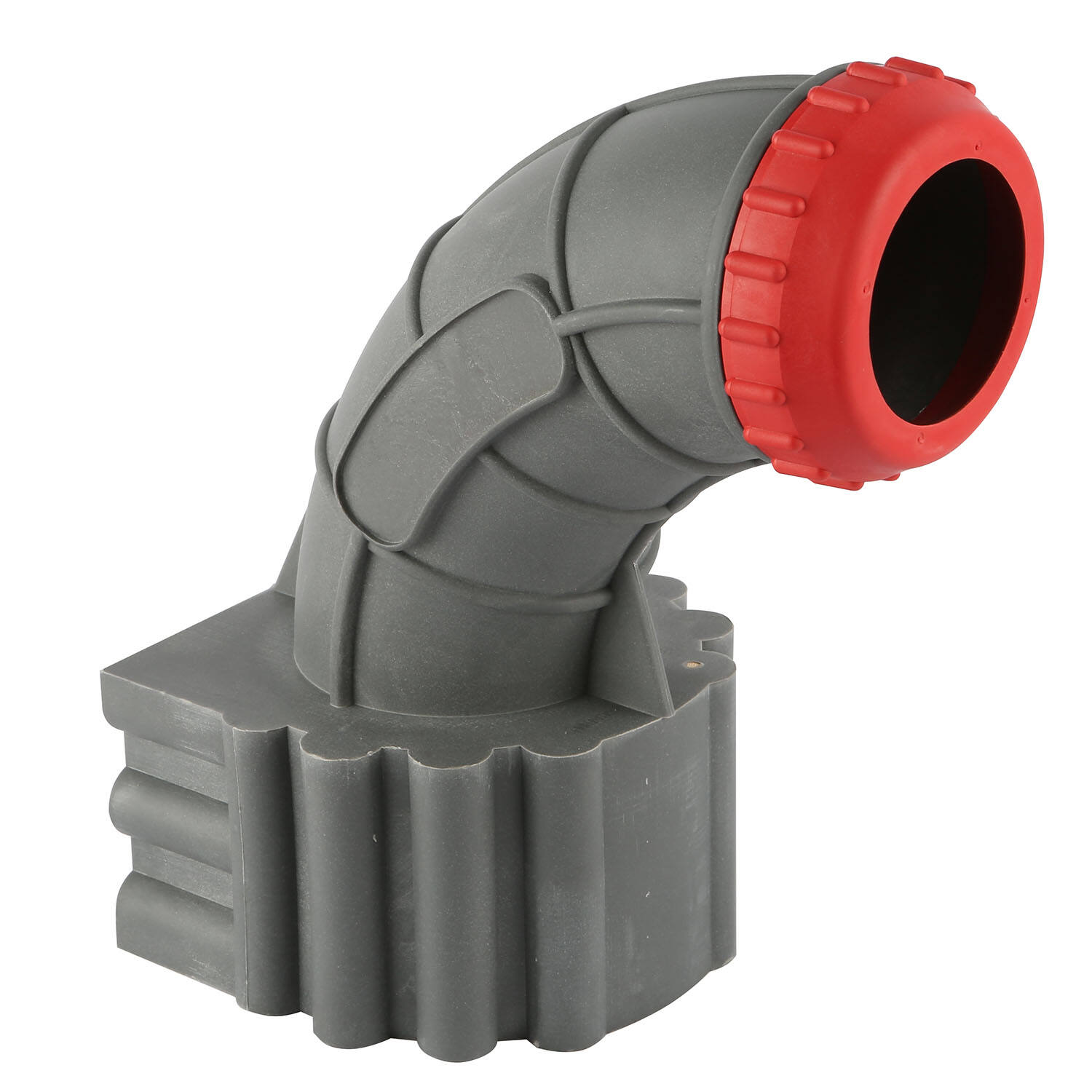
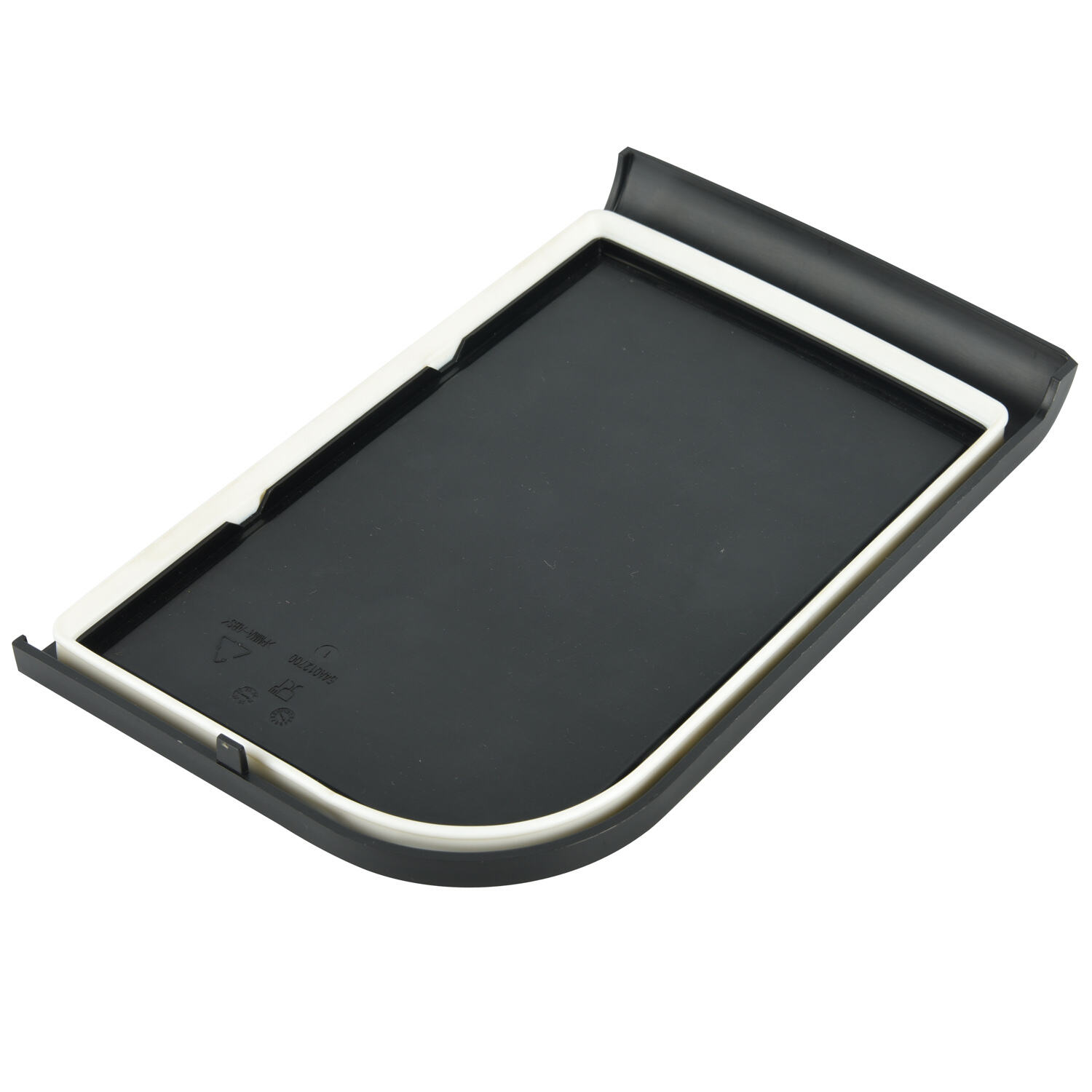
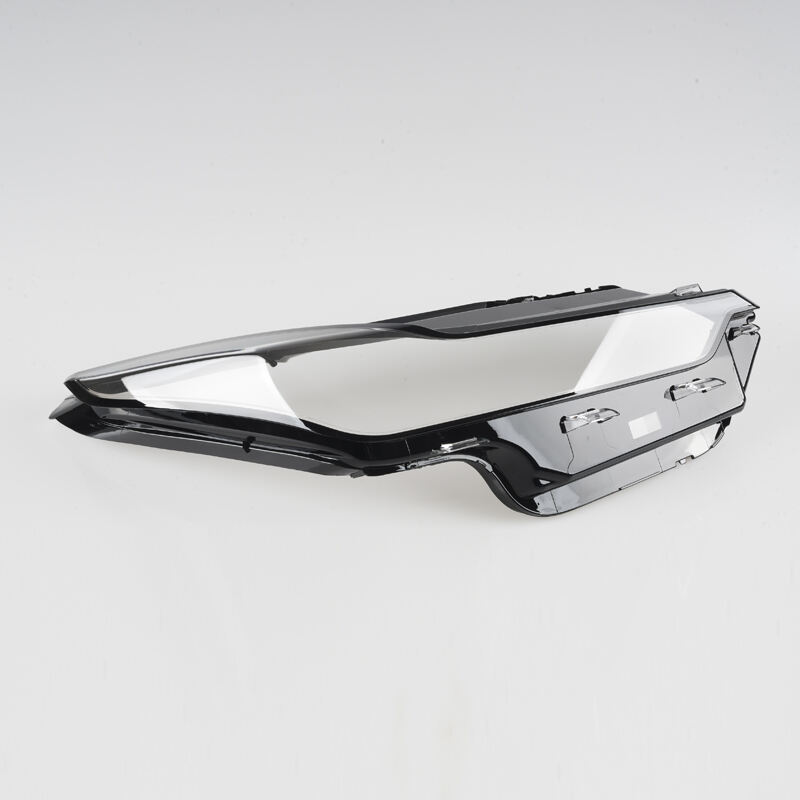
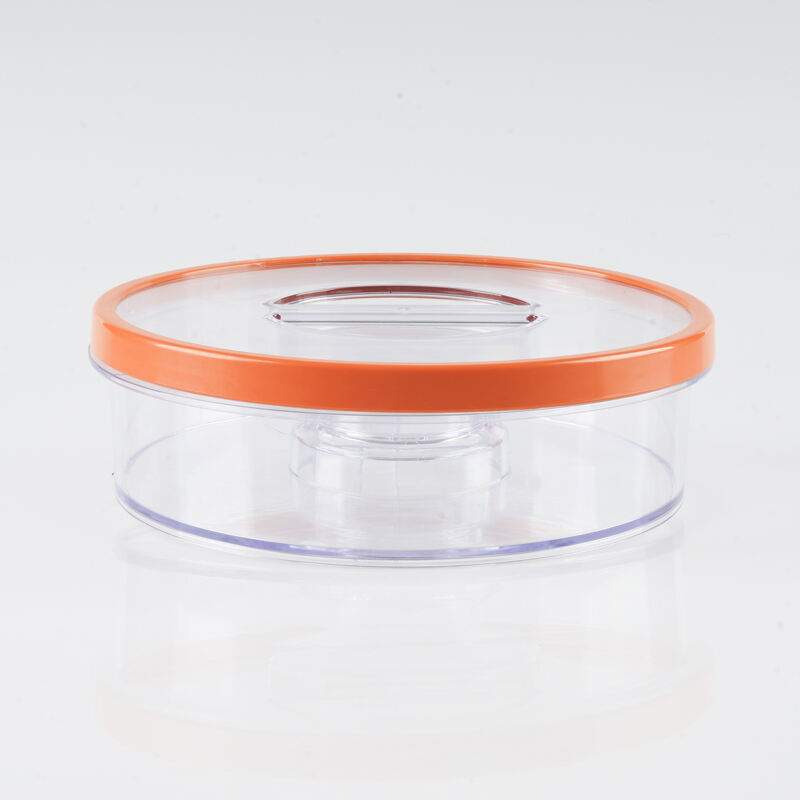
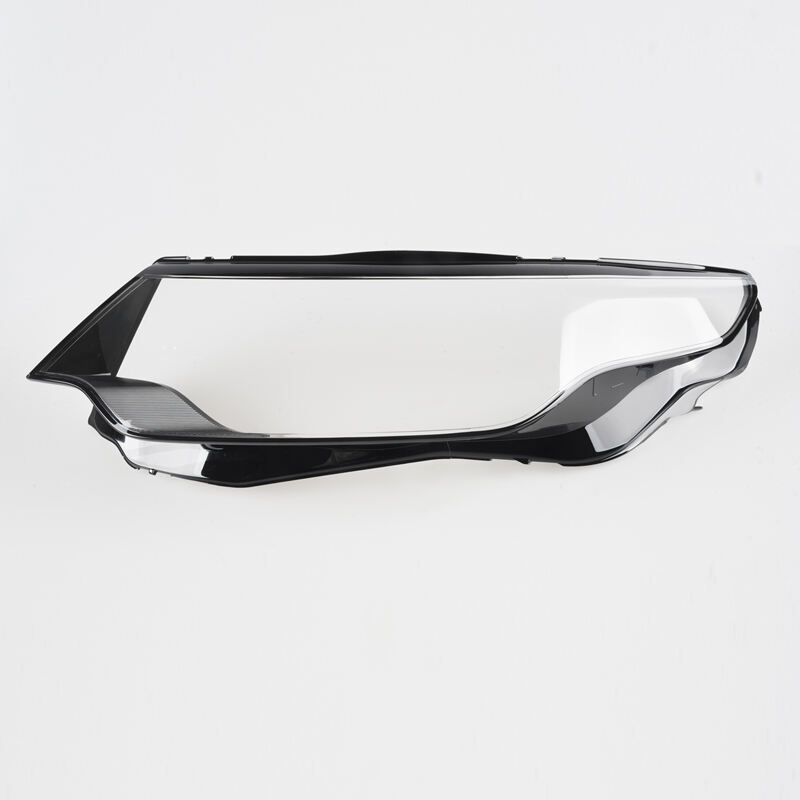
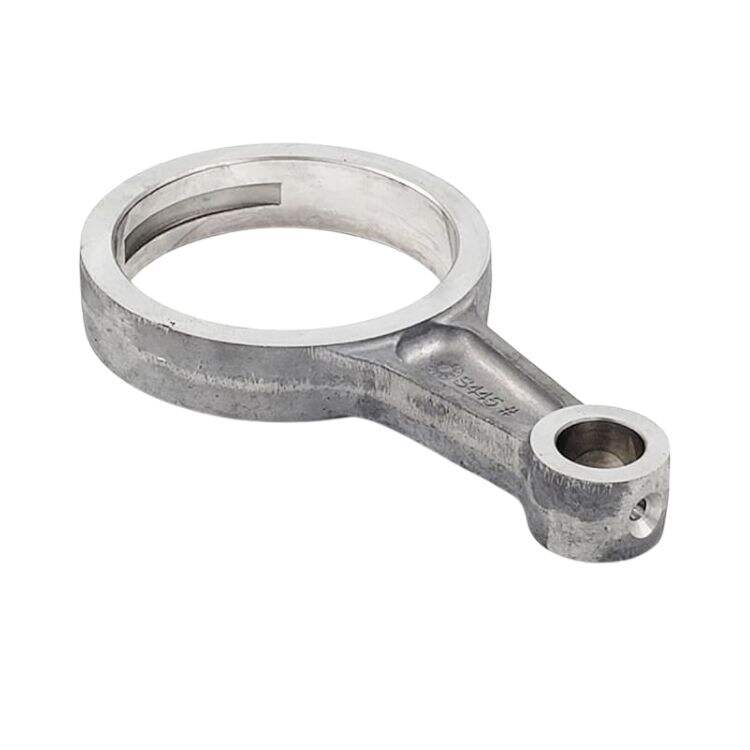
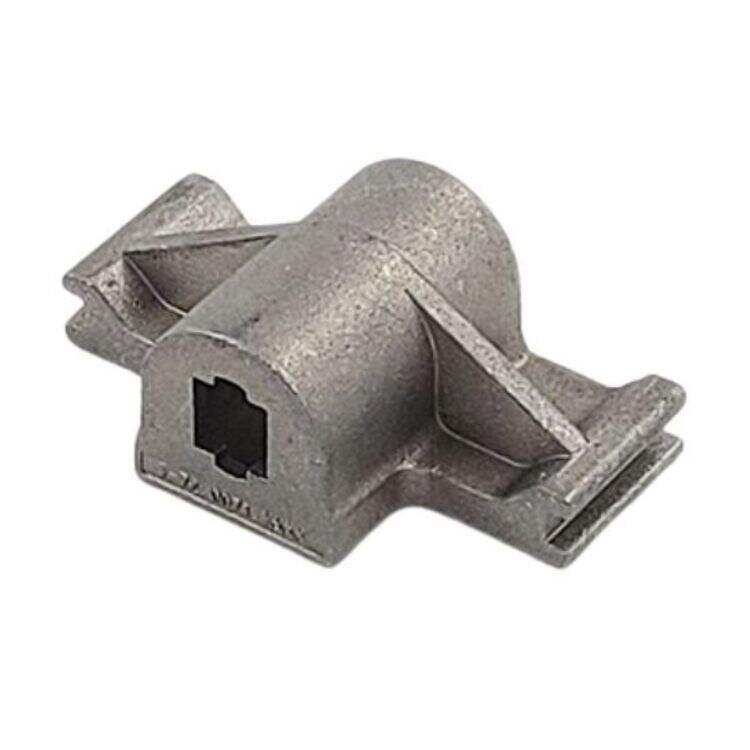
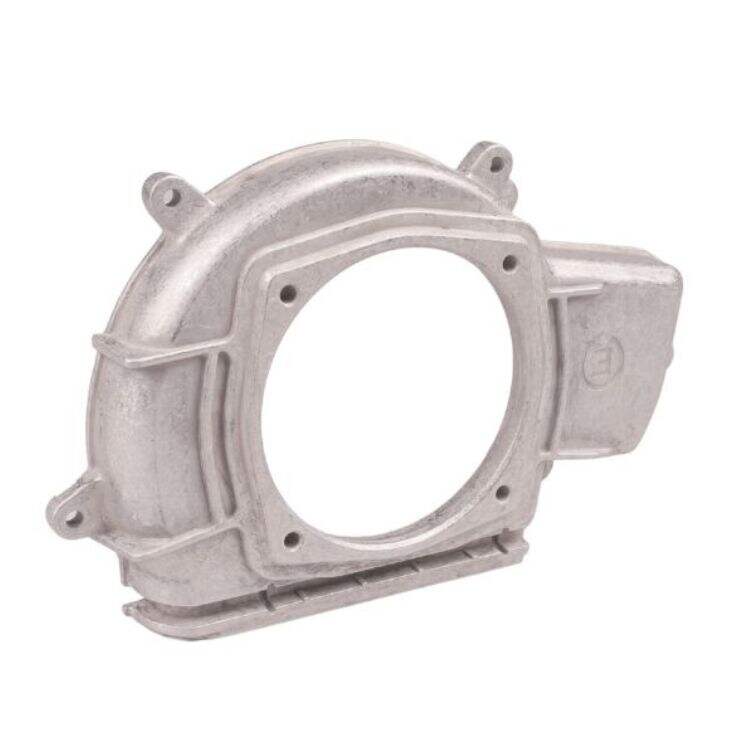
Plastic parts are produced by a process known as injection molding. This begins with tiny bits of plastic called pellets. Most have a process in which the pellets are melted in a machine. This then heats up the pellets until they are a liquid. When melted, liquid plastic is forced into a special shape known as a mold. The molding is shaped precisely to that of the finished product. After the plastic gets melted into a liquid and enter into the mold, the mold is cooled down. Then the plastic part is removed when it cools. For example moulding is how we make a lot of the products we handle every day behind our scenes, whether it is toy, container, or parts. It is a crucial step in producing plastic products we encounter in our everyday lives.
Injection molding uses a great deal of heat and pressure, and this is something to know when you make your first pieces. The plastic pellets must be heated to a very hot temperature to become liquid. After that, this hot plastic is then pushed into the mold with great pressure. That pressure is required to ensure that the liquid comes into full contact with every aspect of the molds. That’s one reason why injection molding machines are quite large and potent. So they have to generate enough force to rapidly and quickly push the molten plastic into the face.
There are many factors that can influence the quality of the plastic parts you get out of an injection-molding process. Here are some of those things — how hot is the mold, how much pressure is used to push the plastic and how long does it take for the plastic to cool once injected. Getting these factors correct is critical to produce good-quality parts. Can interrupt with some problems in the final result, if any of these are wrong.
This is one of the ways to create improved plastic parts — through computer programs. These types of programs are referred to as simulation software. They can be used to show engineers how altering things, such as temperature and pressure, is going to impact the parts that are produced. In this way, engineers can experiment with various concepts and discover the optimal settings for the same, all without having to produce a physical mold each time. This saves both time and money, and makes sure the parts it produces are good quality.
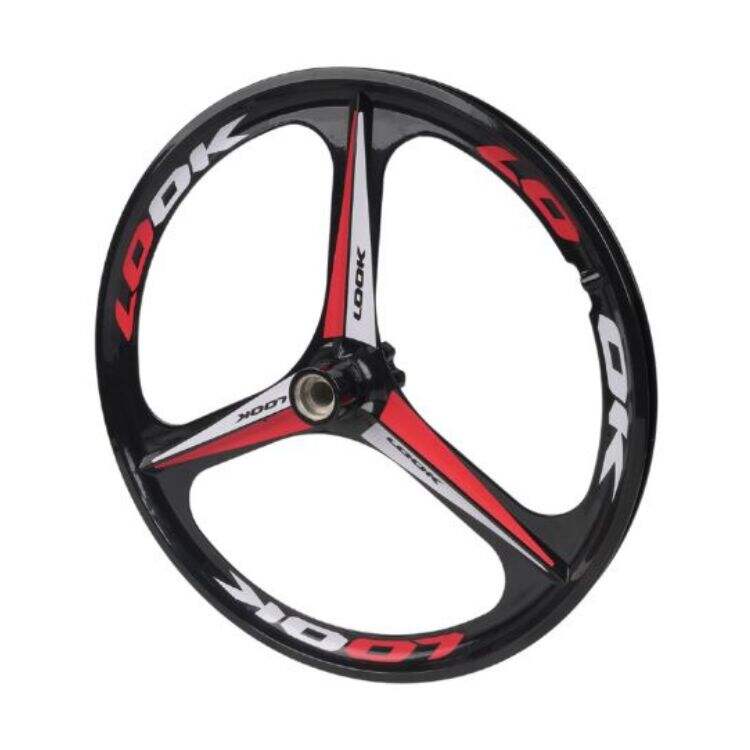
Tips to Enhance the Injection Molding Process: For example, a smooth mold will lead to better-looking and less defective parts. The better the surface finish on the mold, the easier the plastic slides out, and the presentation of the final product becomes better. Also, you will have to choose the correct plastic to ensure quality. For example, some plastics are strong but brittle, which can affect the final product's performance.
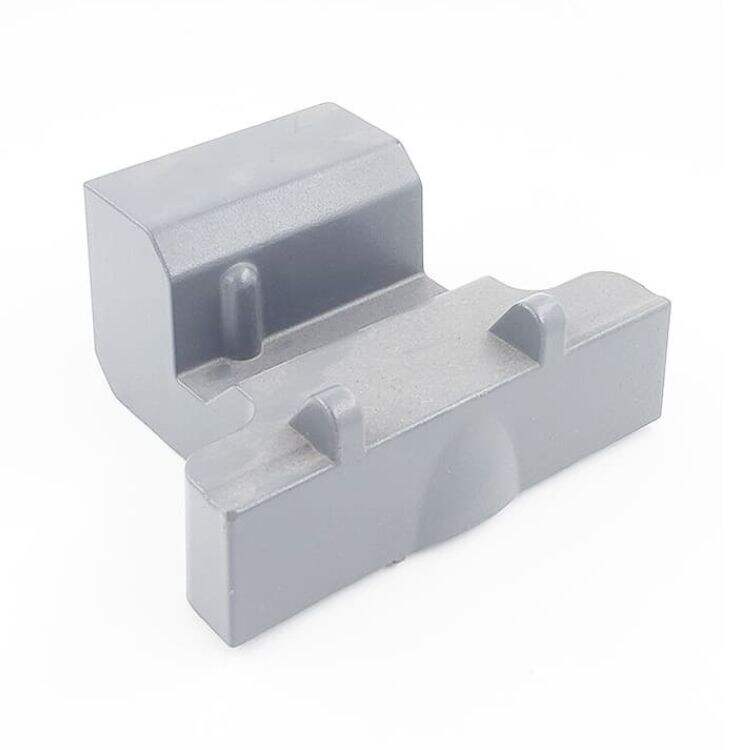
Warping occurs when the part cools at different rates, causing it to bend or twist. This can occur if the mold is at the wrong temperature or if the plastic cools too quickly in specific areas. Sink marks are tiny little dimples that can form on the part's surface, when the plastic cools too quickly, creating a dimple. Flash is when excess plastic runs into the mold, sometimes trailing extra from the part, which makes it messy.
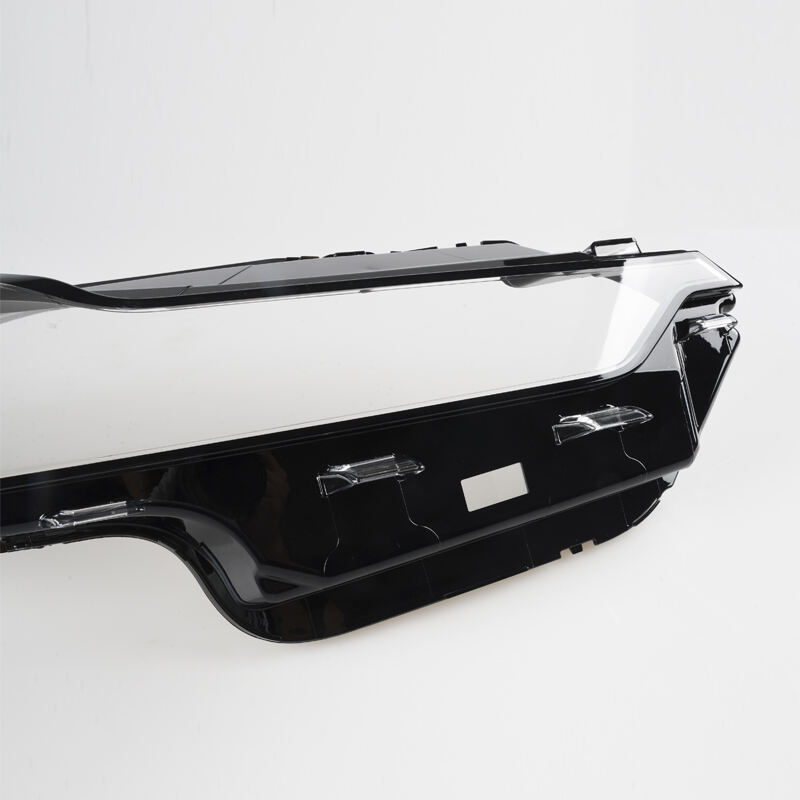
A new concept: 3D printing via injection molding. This technology enables engineers to form complex molds that are difficult to produce with traditional techniques. In molds creation, fast and accurate molds can be designed and built with 3D printing. In addition to this, through 3D printing parts can also be produced directly without the need of a mold whatsoever. This means that products can be manufactured more quickly and with less wasted material.
Our molds are known for their exceptional quality and precision. Testing equipment is an indispensable means of guaranteeing the mold manufacturing process. A high-quality quality management team with precise testing equipment is the guarantee for creating high-quality molds. The quality inspection department is equipped with two high-precision three-coordinate and 3D scanners. Moldie promises to issue a full-size report within three days after the product trial, and a 3D scan report within two days. Moldie has been a supplier with ISO certificate.
The engineers at Moldie have extensive design experience and comprehensive development knowledge. Moldie will scan any provided samples and generate a product blueprint. Once the customer reviews and approves the blueprint, we can begin mold assembly and drawing design based on the customer’s existing project.Moldie Engineering Center consists of more than 30 engineering and technical personnel. They can deal with engineering, design simulation, machining, inspection to support and guarantee the quality and function the tooling we constructed.
Our comprehensive logistics solutions provide end-to-end services, from order processing to final delivery. We leverage advanced tracking systems and a global network of carriers to ensure timely and secure delivery. Since its establishment, Moldie. has provided professional solutions for more than 50 clients and 20 countries around the world. Moldie has cooperated with DHL, Fedex and UPS for fast sample delivery. Moldie can ship goods by sea, air and train in good packing way suits for global transportation.
Moldie has provided injection & plastic parts solutions since 2008. 3000+ square meter facility enhances us to serve clients worldwide. From the automotive sector, where we serve prestigious brands like Mercedes-Benz, Volkswagen, Audi, Maserati, Chrysler, and GM, to leaders in other fields such as Schneider, Phillip, and IEK. With a reputation for excellence in OEM/ODM services, Moldie is not just a manufacturer; we are innovation partners, providing comprehensive services including part design, prototype creation, mold design, and large-scale mold production.


 EN
EN
 AR
AR
 BG
BG
 HR
HR
 CS
CS
 DA
DA
 NL
NL
 FI
FI
 FR
FR
 DE
DE
 EL
EL
 HI
HI
 IT
IT
 JA
JA
 KO
KO
 NO
NO
 PL
PL
 PT
PT
 RO
RO
 RU
RU
 ES
ES
 SV
SV
 LV
LV
 SR
SR
 SK
SK
 SL
SL
 UK
UK
 HU
HU
 TR
TR
 FA
FA
 MS
MS
 GA
GA
 CY
CY
 IS
IS
 HY
HY
 AZ
AZ
 KA
KA
 BS
BS
 LA
LA
 KY
KY