 EN
EN
 AR
AR
 BG
BG
 HR
HR
 CS
CS
 DA
DA
 NL
NL
 FI
FI
 FR
FR
 DE
DE
 EL
EL
 HI
HI
 IT
IT
 JA
JA
 KO
KO
 NO
NO
 PL
PL
 PT
PT
 RO
RO
 RU
RU
 ES
ES
 SV
SV
 LV
LV
 SR
SR
 SK
SK
 SL
SL
 UK
UK
 HU
HU
 TR
TR
 FA
FA
 MS
MS
 GA
GA
 CY
CY
 IS
IS
 HY
HY
 AZ
AZ
 KA
KA
 BS
BS
 LA
LA
 KY
KY

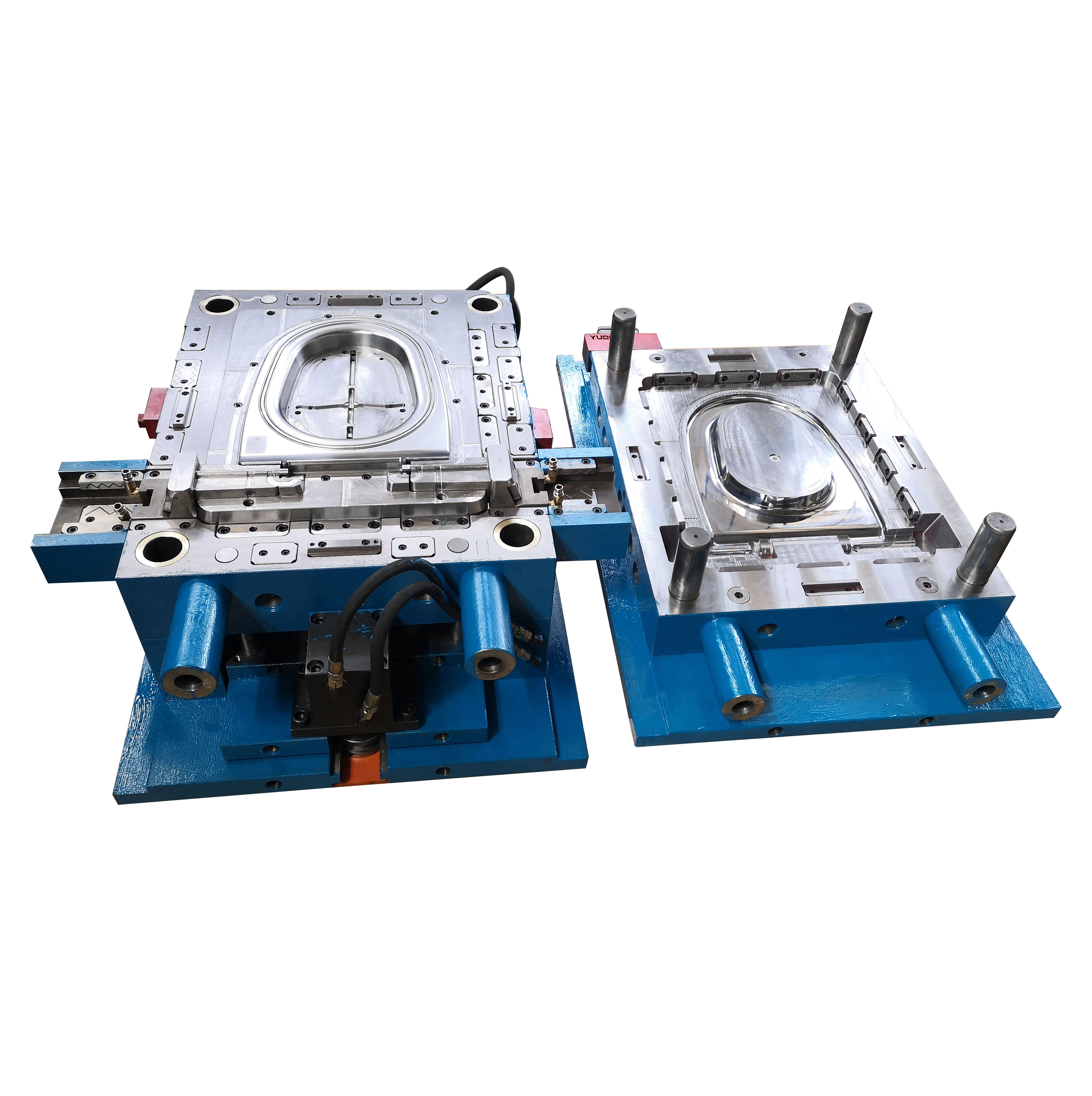
It is very important to keep the mold at the correct temperature during injection molding to be able to achieve high quality products. Mold temperature control is essential for the entire manufacturing process and has direct influences on the quality, consistency and precision of final products. Using a proper temperature provides even flow of the material which eliminates production-level defects caused by improper pattern function.
The Significance of Mold Temperature Control in Plastic Injection Moulding
Maintaining mold temperature is critical in an injection-molding process as it impacts the whole production process. The material needs to be kept at a certain temperature so that it easily flows into the mold cavity, and keeps the part at the specified dimensions and quality. High or low mold temperature can cause blemishes such as warpage, sink marks and non-uniform cooling. For instance, if the mold temperature is too low, materials may not have good flowability resulting in intersect filling of mold cavity. Conversely, if the mold temperature is increased too much, the part may cool so quickly that external or internal stresses are set up in the part by shrinkage. Accordingly, accurate control of mold temperature is necessary to prevent discrepancies in product quality.
Consistency & Precision in Mold Temperature Control
The uniformity of mold temperature is extremely important for precision injection molding. Uniform temperature results in the creation of uniform parts, and that means less reworking or adjusting required to prepare parts for assembly. Through the regulation of mold temperature, manufacturers can have control over cooling and thus adepts to maintain structural properties of the product. For instance, it is crucial to maintain accurate mold temperature in the automotive industry when producing high-performance parts with close tolerances. By keeping the mold temperature consistent during production, manufacturers avoid differences in part size and physical properties, resulting in parts being within customer specification. Mold temperature control is one of the most important factors to guarantee the quality, even though dimensional accuracy of injection molded parts.
Improving Surface Finish and Feature Detail with Mold Temperature Control
Smooth surface finish and fine detail are typical within the injection moulding process allowing customers to create high quality & accurate plastic parts. Mold temperature has a great influence on the above results. Keeping the temperature of the mold consistent throughout the plastic injected molding process enables producers to avoid problems like warping, shrinkage, or surface defects in parts.
With appropriate control of mold temperature, the plastic can flow uniformly and fill the entire cavity in the mold. This makes for a finished product with smooth surface finish and details captured accurately. Mold temperature control also minimizes the chance of defects like sink marks and flow lines so that they don’t affect part quality.
Manufacturers can achieve better surface finishes and sharper details in their injection molded parts when using mold temperature control systems, such as those provided by Moldie. This leads to close control over the temperature within the mold, which creates an ideal environment for molding high-quality plastic parts.
Injection Molding Process Optimization with Mold Temperature Control
To get an optimum injection molding result, manufacturers should consider the effect of mold temperature control. Reducing cycle times = Makes more profit with an even and stable temperature during the entire molding process high efficiency is easily achieved.
Mold temperature control systems like those offered by Moldie have several advantages to effectively optimize the injection molding process. By preheating the mold to an appropriate temperature, for example, before pressurizing the plastic material into the mold, manufacturers can facilitate flow of the material and minimize defects.
Mold temperature control systems also contribute to reducing cycle time in that the molded part can be cooled more quickly. In doing so, it improves productivity while saving energy and the costs of injection molding. Through injection mold optimization with proper mold temperature control, production shop floors are enabled to increase levels of efficiency in their operations.
Dealing with Mold Temperature Control Issues and Concerns
Although mold surface temperature control is critical for the production of high-quality plastic parts, difficulties and problems can be experienced by manufacturers as they integrate such systems. One of these issues is the difficulty in temperature distribution throughout the mold affecting the part’s quality and performance.
One way to solve this issue is to use advanced mold temperature control systems, such as offered by the company Moldie that offers precise temperature control and monitoring features. Manufacturers can prevent problems, such as warping, shrinkage or surface imperfections when tolerances are at their tightest, by maintaining a consistent mold temperature profile throughout the entire mold.
The other significant difficulty in mold temperature control is the danger of failure or malfunction under system equipment. In order to reduce the possibility of such risk’s manufacturers must take time to regularly inspect and maintain their mold temperature control units. Dealing with these common mold temperature control issues and challenges can help producers to achieve reliable, high-quality results through your injection molding products processes.
Table of Contents
- The Significance of Mold Temperature Control in Plastic Injection Moulding
- Consistency & Precision in Mold Temperature Control
- Improving Surface Finish and Feature Detail with Mold Temperature Control
- Injection Molding Process Optimization with Mold Temperature Control
- Dealing with Mold Temperature Control Issues and Concerns


