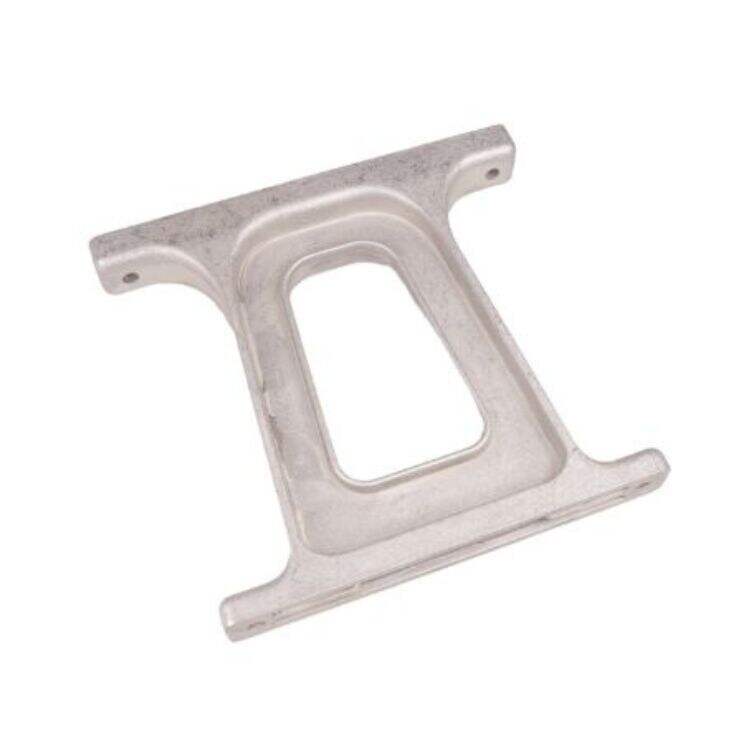
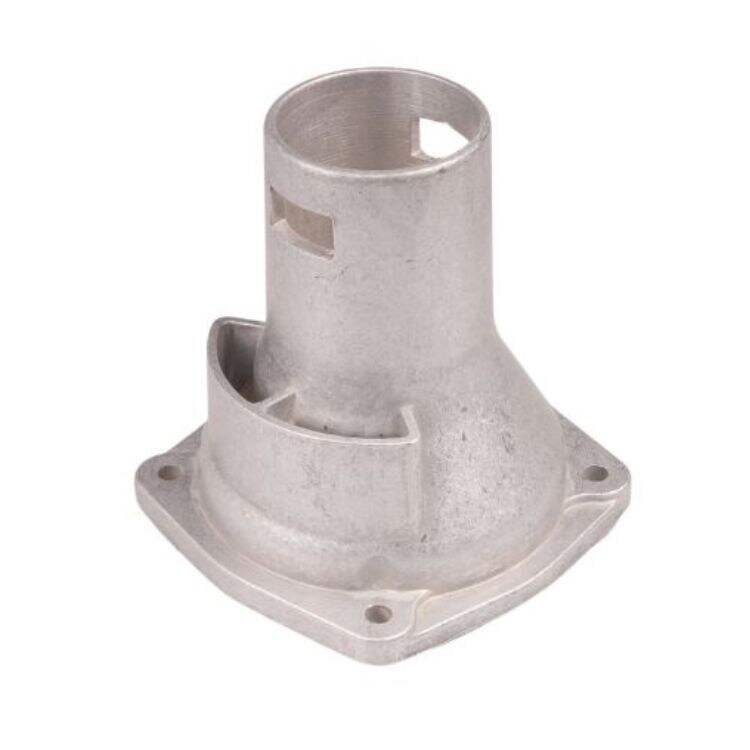
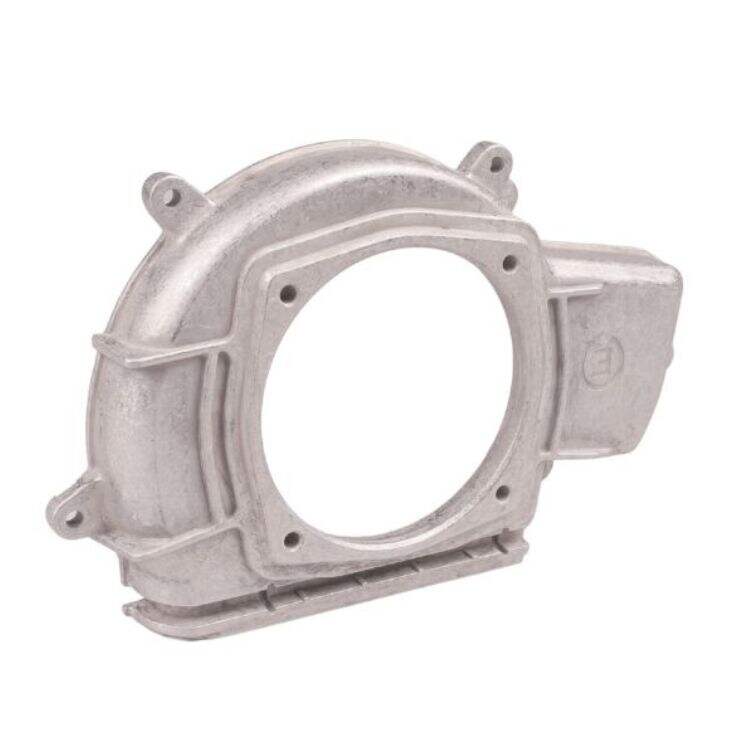
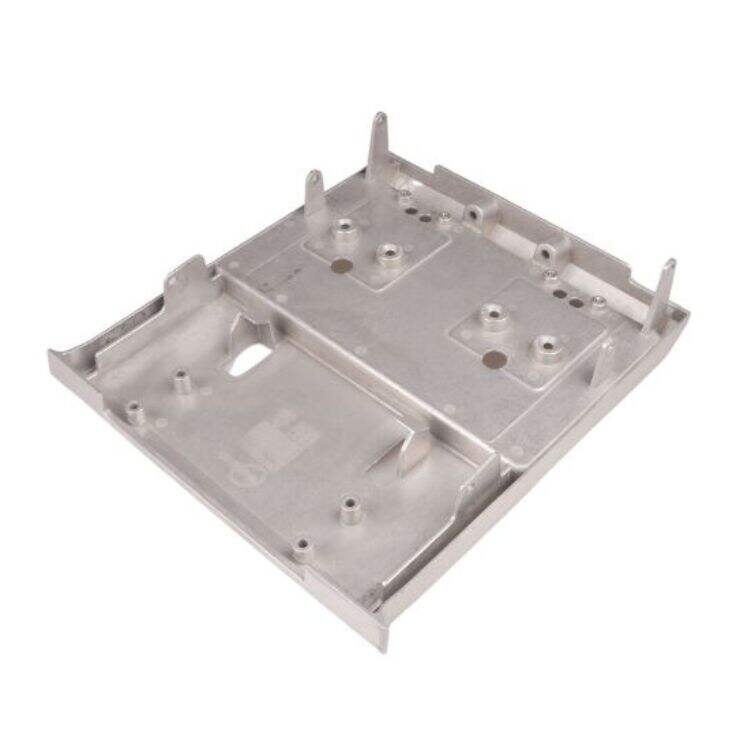
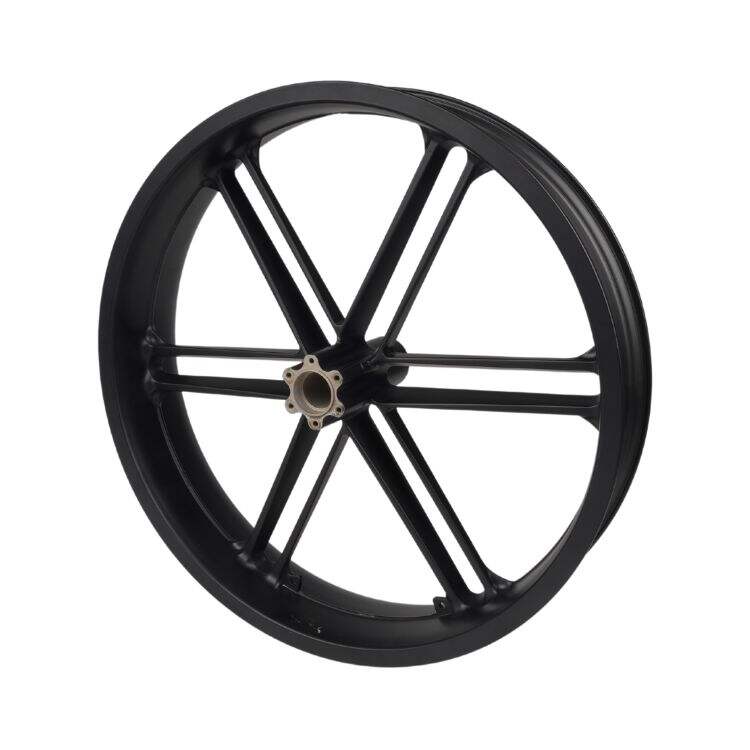
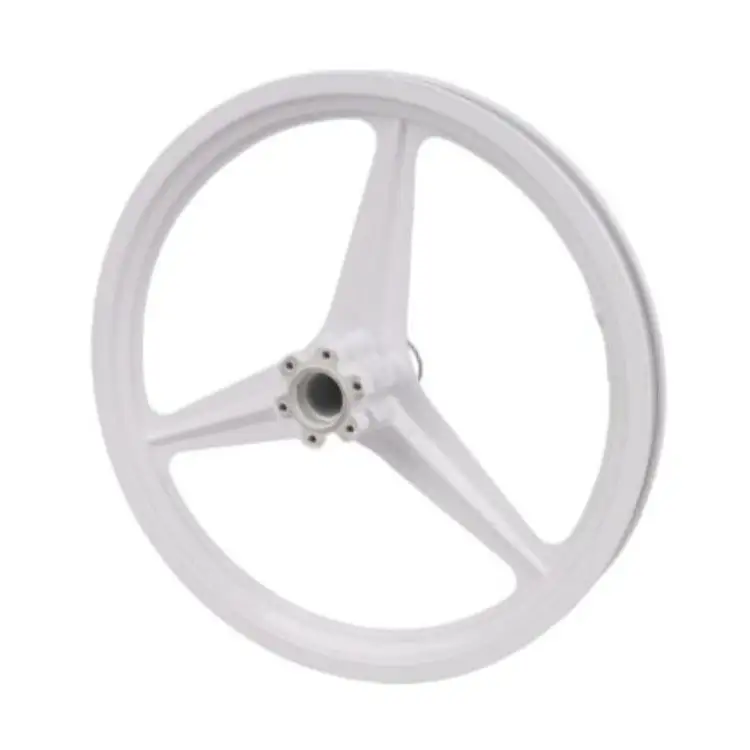
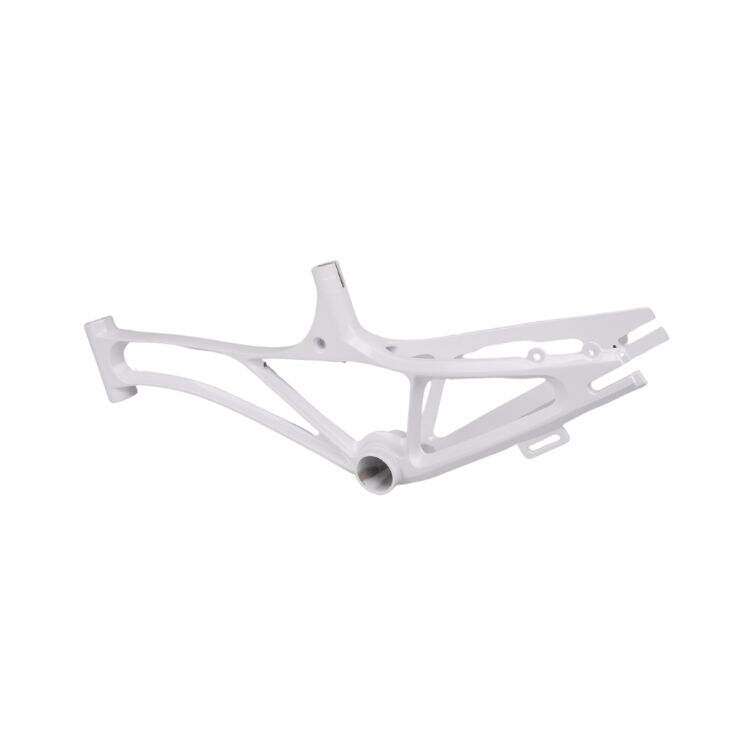
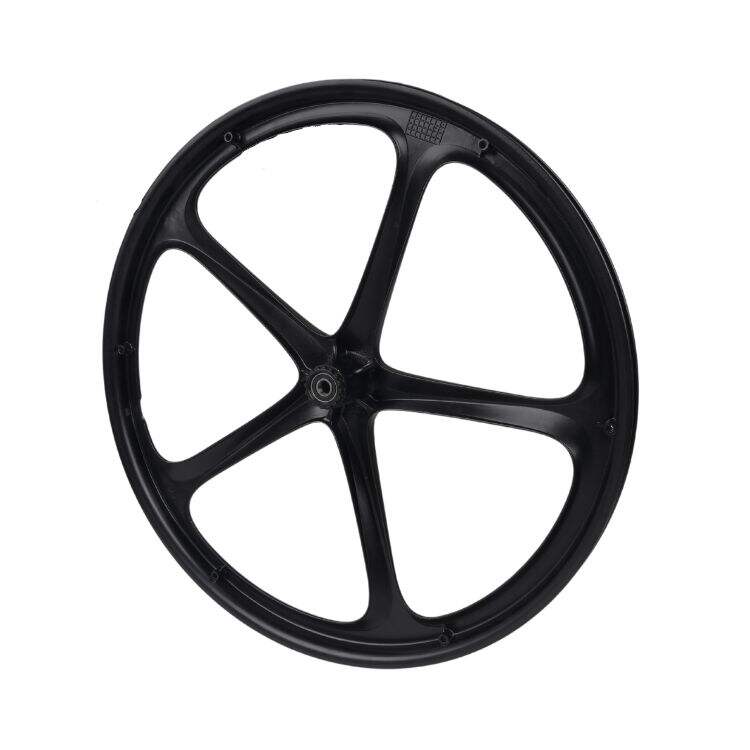
Moulds are important tools for our daily use of plastic. They also help make many of the things we see and use every day, including toys, bottles and containers. Ever wonder how these moulds are made and what happens to them in their lifetime? A plastic mould is an assembly type as a tool used to shape molten plastic into a determinate form. Making these moulds is almost like an art in itself. This process involves a good deal of meticulous work and care to ensure a quality end result.
Making a plastic mould starts with a design. Professional designers are to mould making what a painter is to a canvas-they are simply rendering rich detailed plans or blueprints using their computers. This diagram details how the mould should be formed from the platters and the mechanism in which it functions. [The designers] will complete the actual design and pass it on to a toolmaker. This is where the toolmaker, a skilled craftsman, uses machinery to create the actual mould based on the design. They precisely cut and shape the mould according to design specifications. It can be a long and painstaking endeavor to achieve this balance. To ensure it performs correctly at an industry standard, once it is done, the mould needs testing.
After finishing the manufacturing of a plastic mould and making it available for use, an interesting process for all the moulds that need to develop known as injection moulding process takes place. In the course of this, the mould is exposed to high temperatures and pressure. The mould must be sturdy enough to withstand the force of the melted plastic being injected into it. This can be a hard process for the mould, and over time it can wear or be damaged. Just like a toy that might break if we use it too much.
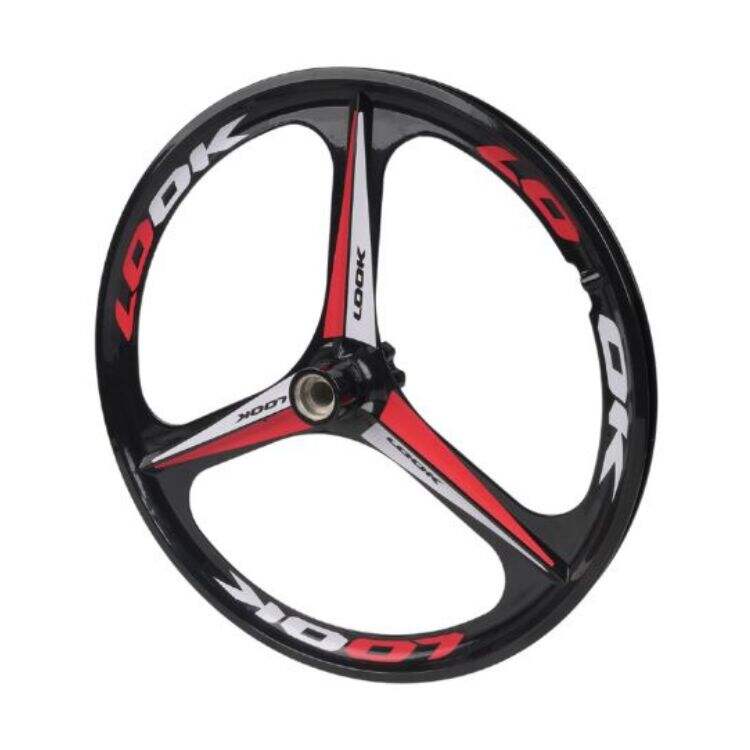
A plastic mould requires a good amount of maintenance over time to ensure its longevity — much like we maintain our toys and bikes. Maintenance is cleaning the mould and repairing any broken things before something does get worse. If we see that something is broken, we must fix it as soon as possible. Another reason is to keep the mould in good condition for more time by replacing the worn out part. Maintaining the moulds well helps to reduce repair costs and keep them functioning over a longer period of time.
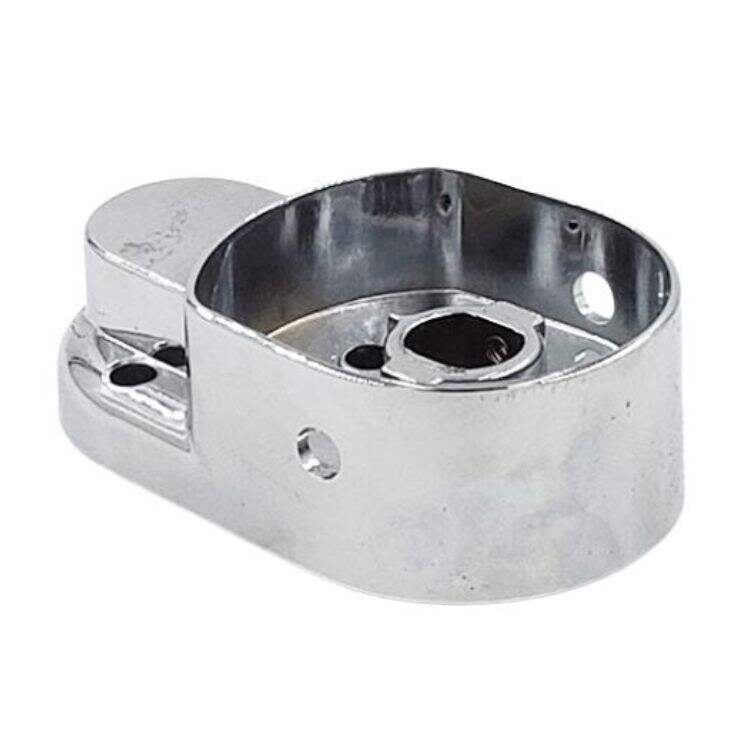
The journey of a plastic mould is a significant one. It passes through several stages from the time it is made to the time it wears out. Everything starts with the design and careful build of a mould which is durable enough to resist the harsh nature of the injection moulding process. Moulds, when finished, are put to work and subjected to a lot of stress shaping hot plastic. It is important that the mould is regularly maintained to ensure the longest durability possible. With the best care, eventually every single mould will wear out, and a new one will have to be created to keep the procedure active.
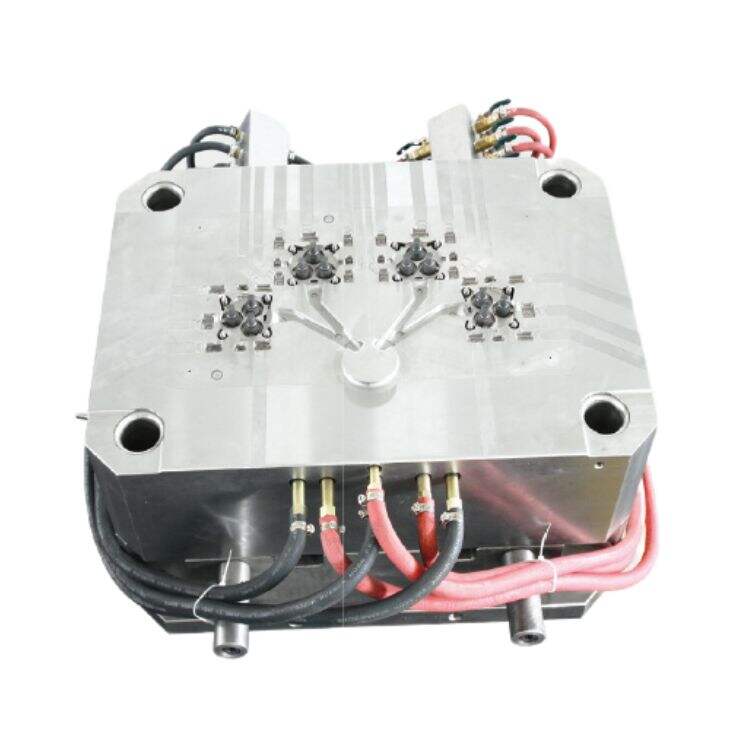
Plastic moulds play a significant role in the day to day lives of so many people at Moldie, we are well aware of this fact. With moulds that can withstand even the most extreme conditions. We also provide maintenance for our moulds as well, therefore our clients can rest assured that their moulds will work and last better. All of this is very important to you, to us, because we really value the work we do, we are working for you only.
Moldie has provided injection & plastic parts solutions since 2008. 3000+ square meter facility enhances us to serve clients worldwide. From the automotive sector, where we serve prestigious brands like Mercedes-Benz, Volkswagen, Audi, Maserati, Chrysler, and GM, to leaders in other fields such as Schneider, Phillip, and IEK. With a reputation for excellence in OEM/ODM services, Moldie is not just a manufacturer; we are innovation partners, providing comprehensive services including part design, prototype creation, mold design, and large-scale mold production.
The engineers at Moldie have extensive design experience and comprehensive development knowledge. Moldie will scan any provided samples and generate a product blueprint. Once the customer reviews and approves the blueprint, we can begin mold assembly and drawing design based on the customer’s existing project.Moldie Engineering Center consists of more than 30 engineering and technical personnel. They can deal with engineering, design simulation, machining, inspection to support and guarantee the quality and function the tooling we constructed.
Our comprehensive logistics solutions provide end-to-end services, from order processing to final delivery. We leverage advanced tracking systems and a global network of carriers to ensure timely and secure delivery. Since its establishment, Moldie. has provided professional solutions for more than 50 clients and 20 countries around the world. Moldie has cooperated with DHL, Fedex and UPS for fast sample delivery. Moldie can ship goods by sea, air and train in good packing way suits for global transportation.
Our molds are known for their exceptional quality and precision. Testing equipment is an indispensable means of guaranteeing the mold manufacturing process. A high-quality quality management team with precise testing equipment is the guarantee for creating high-quality molds. The quality inspection department is equipped with two high-precision three-coordinate and 3D scanners. Moldie promises to issue a full-size report within three days after the product trial, and a 3D scan report within two days. Moldie has been a supplier with ISO certificate.


 EN
EN
 AR
AR
 BG
BG
 HR
HR
 CS
CS
 DA
DA
 NL
NL
 FI
FI
 FR
FR
 DE
DE
 EL
EL
 HI
HI
 IT
IT
 JA
JA
 KO
KO
 NO
NO
 PL
PL
 PT
PT
 RO
RO
 RU
RU
 ES
ES
 SV
SV
 LV
LV
 SR
SR
 SK
SK
 SL
SL
 UK
UK
 HU
HU
 TR
TR
 FA
FA
 MS
MS
 GA
GA
 CY
CY
 IS
IS
 HY
HY
 AZ
AZ
 KA
KA
 BS
BS
 LA
LA
 KY
KY